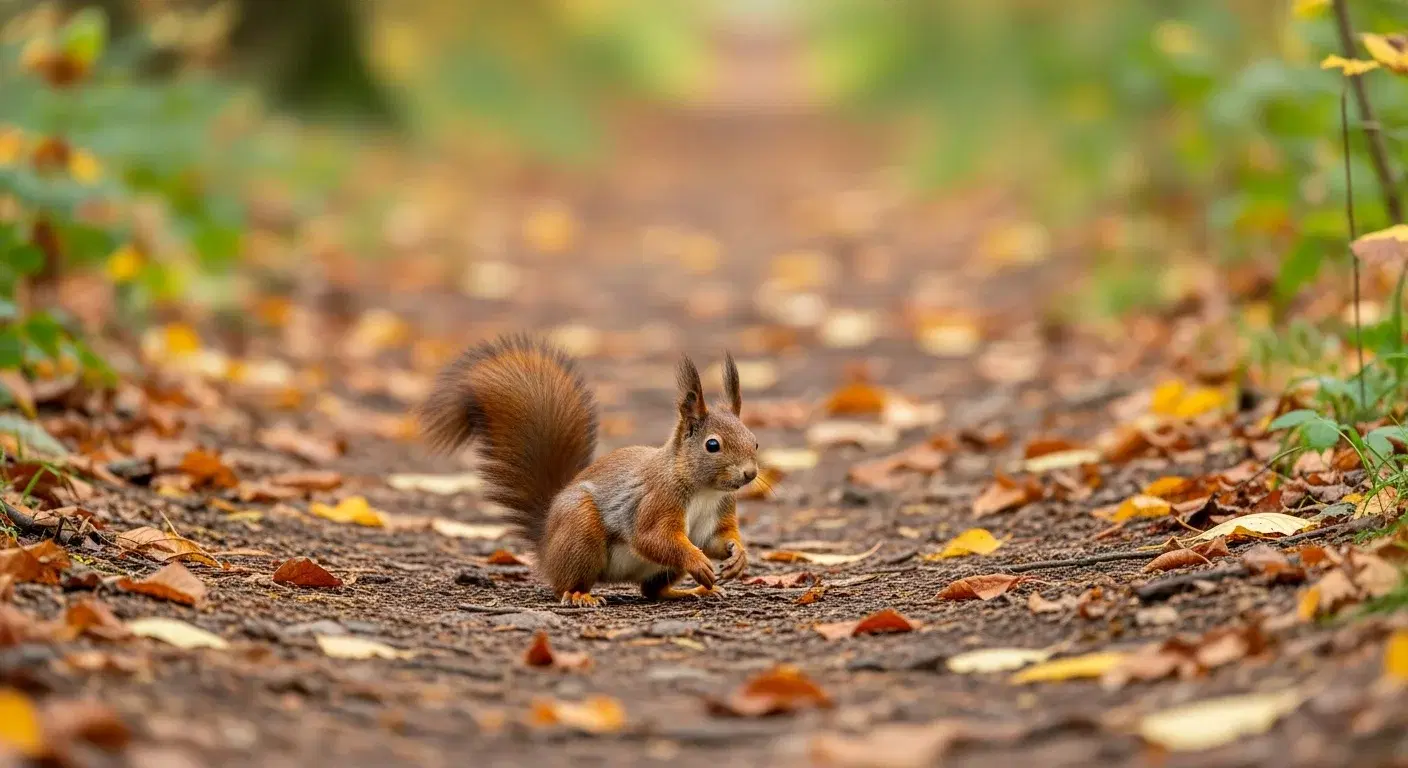
Where to See Red Squirrels Near Morpeth
Northumberland is one of the last strongholds for red squirrels in England. Here is where to find them near Morpeth, from Wallington to Hauxley and Kielder.
The red squirrel is one of Britain's most loved and most threatened mammals. Across most of England, it has been displaced by the larger, more adaptable grey squirrel. But Northumberland is different. The county remains one of the last great strongholds for red squirrels in England, and Morpeth is well placed for visiting several of the best sites to see them.
Why Northumberland?
Northumberland's large areas of coniferous and mixed woodland, particularly the vast forests of Kielder and the estates of the Tyne and Coquet valleys, provide ideal habitat for red squirrels. The county also benefits from active conservation work by organisations including Red Squirrels Northern England and the Northumberland Wildlife Trust, which manage grey squirrel populations and monitor red squirrel numbers.
It is estimated that at least one third of England's entire red squirrel population lives in the forests of Northumberland. That makes any visit to the county a genuine opportunity to see this elusive animal in the wild.
Best for: At least one third of England's red squirrels live in Northumberland, making it the best county in the country to see them.
Wallington, the Closest Reliable Site
Wallington, the National Trust estate on the B6343 west of Morpeth, is the closest and most reliable site for red squirrel sightings. The estate's extensive woodland and parkland provide excellent habitat, and the Trust has installed dedicated wildlife hides and feeders.
The Red Squirrel Walk is a two-mile waymarked trail through the woodland, and the observation hide overlooking feeders gives visitors a good chance of a sighting without the need for a long walk. The population at Wallington suffered from a squirrelpox outbreak in 2008 but has since recovered, and regular sightings now take place at the hide.
Wallington is approximately 15 miles west of Morpeth, a drive of around 25 minutes.
Tips for Wallington:
- Head for the wildlife hide. It is in a separate part of the grounds from the main house and walled garden
- Visit early in the morning or late in the afternoon for the best chance of sightings
- Sit quietly and wait, red squirrels are shy but will come to feeders if the area is calm
- The estate also supports otters, which are occasionally seen along the river
Hauxley, Squirrels by the Coast
At Hauxley Nature Reserve on the Northumberland coast, red squirrels are regularly seen at the feeders adjacent to the car park. This is a bonus rather than the main attraction, Hauxley is primarily a birdwatching reserve, but it offers a convenient opportunity to see reds alongside a visit to Druridge Bay.
Hauxley is about 12 miles east of Morpeth, a drive of around 20 minutes.
Kielder Forest, the Heartland
For a longer day trip, Kielder Forest is the heartland of England's red squirrel population. The vast coniferous forest covers over 250 square miles and supports a thriving population of reds.
The best starting points are:
- Kielder Castle, which has a Red Squirrel World information room and a dedicated hide. Squirrels occasionally visit feeders beside the castle tea room
- Kielder Waterside, a short woodland stroll leads to a wildlife hide where reds are frequently seen on feeders
Kielder is approximately 40 miles northwest of Morpeth, a drive of about an hour. It makes an excellent full-day trip, particularly if combined with a walk around the reservoir or a visit to Kielder Observatory.
Best for: Kielder Forest is home to the largest red squirrel population in England, and has dedicated hides and information rooms for visitors.
When to Visit
Red squirrels are active throughout the year, they do not hibernate. However, some seasons offer better chances of sightings than others:
- Autumn is widely regarded as the best time. Squirrels are busy foraging for nuts and seeds to cache for winter, making them more active and more visible. The thinning leaf canopy also makes them easier to spot
- Spring is another good season, as squirrels emerge from winter and begin breeding. Longer daylight hours mean more time to watch
- Winter sightings are possible but less frequent, as squirrels spend more time in their dreys during cold, wet weather
- Summer can be quieter, as dense foliage conceals the animals, but early morning visits to hides with feeders still produce sightings
The best time of day is early morning or late afternoon, when squirrels are most active.
Spotting Tips
- Look for signs, gnawed pine cones stripped to a core (resembling a small corn cob) are a telltale sign of red squirrel activity. Cracked hazelnut shells with neat, round holes are another giveaway
- Listen, red squirrels make a distinctive chattering call, especially when alarmed
- Use hides, dedicated wildlife hides with feeders offer the best chance, particularly at Wallington and Kielder
- Be patient and quiet, reds are naturally shy and will flee at sudden noise or movement
- Bring binoculars, even at close range, binoculars help you appreciate the detail of their distinctive ear tufts and russet fur
Summary of Sites
| Site | Distance from Morpeth | Best for |
|---|---|---|
| Wallington | 15 miles (25 min) | Closest reliable site; dedicated hide and Red Squirrel Walk |
| Hauxley | 12 miles (20 min) | Casual sightings at car park feeders; combine with birdwatching |
| Kielder Castle | 40 miles (1 hr) | Largest population; information room and hide |
| Kielder Waterside | 40 miles (1 hr) | Woodland hide with feeders |
For more ideas on wildlife and nature near Morpeth, see our guides to best walks from Morpeth and Carlisle Park.
Get in touch if you have red squirrel sightings near Morpeth to share.
Never miss what’s on
Join the weekly Morpeth.net digest — the best events, news and local tips, straight to your inbox. Free, one email a week.
What's On
Morpeth Wednesday Market
9:00am - 3:30pm · Market Place, Morpeth, NE61 1HG
October Quiz Night at Morpeth RFC
8:30 PM · Morpeth RFC, Grange House Fields, Mitford Road, Morpeth, NE61 1RJ
Halloween Spooktacular at Whitehouse Farm
See booking · Whitehouse Farm Centre, Stannington, Morpeth, Northumberland, NE61 6AW