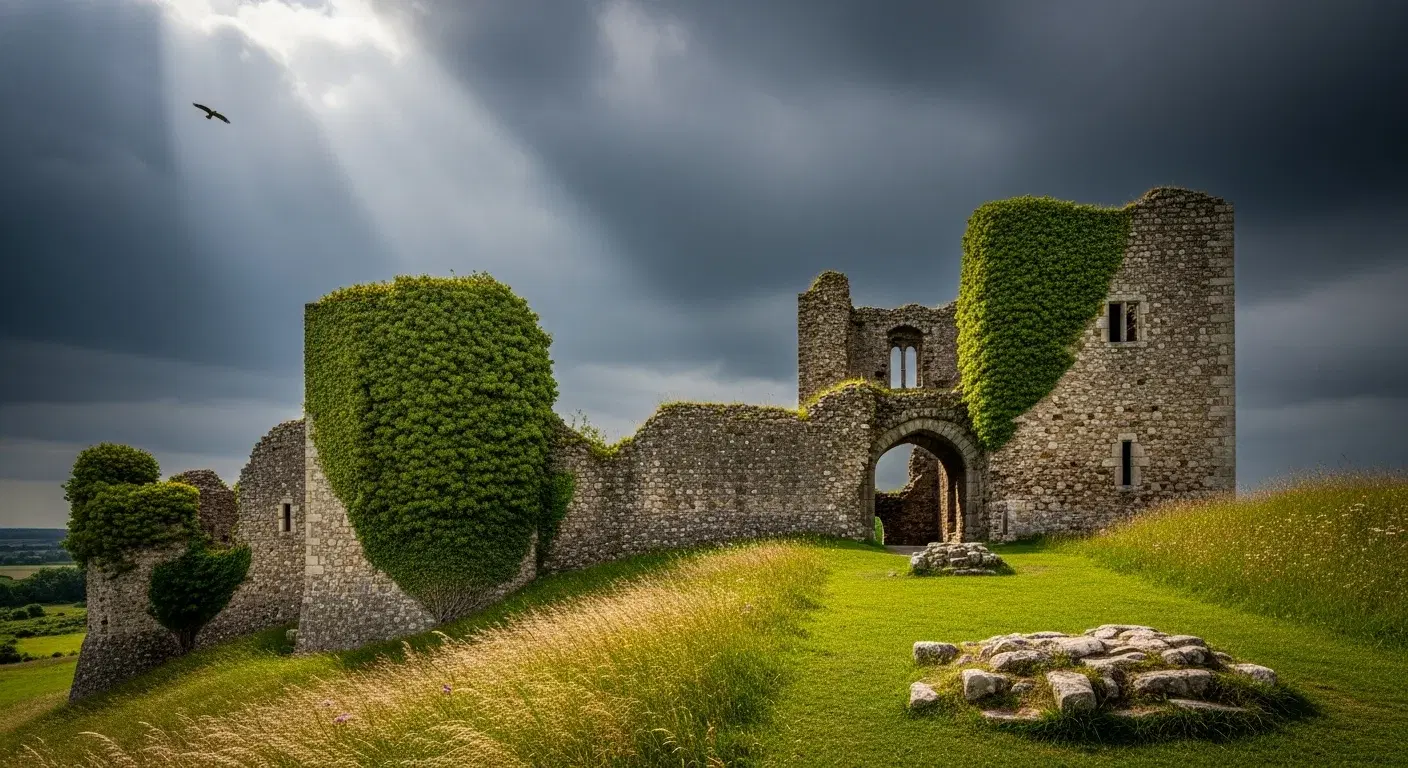
The History of Morpeth
From a Norman barony named after a murder path to one of Northumberland's most desirable market towns — over 900 years of history, heritage, and the people who shaped this place.
900 Years at a Glance
The key moments that shaped Morpeth from a Norman stronghold into a thriving modern market town.
The de Merlay Barony
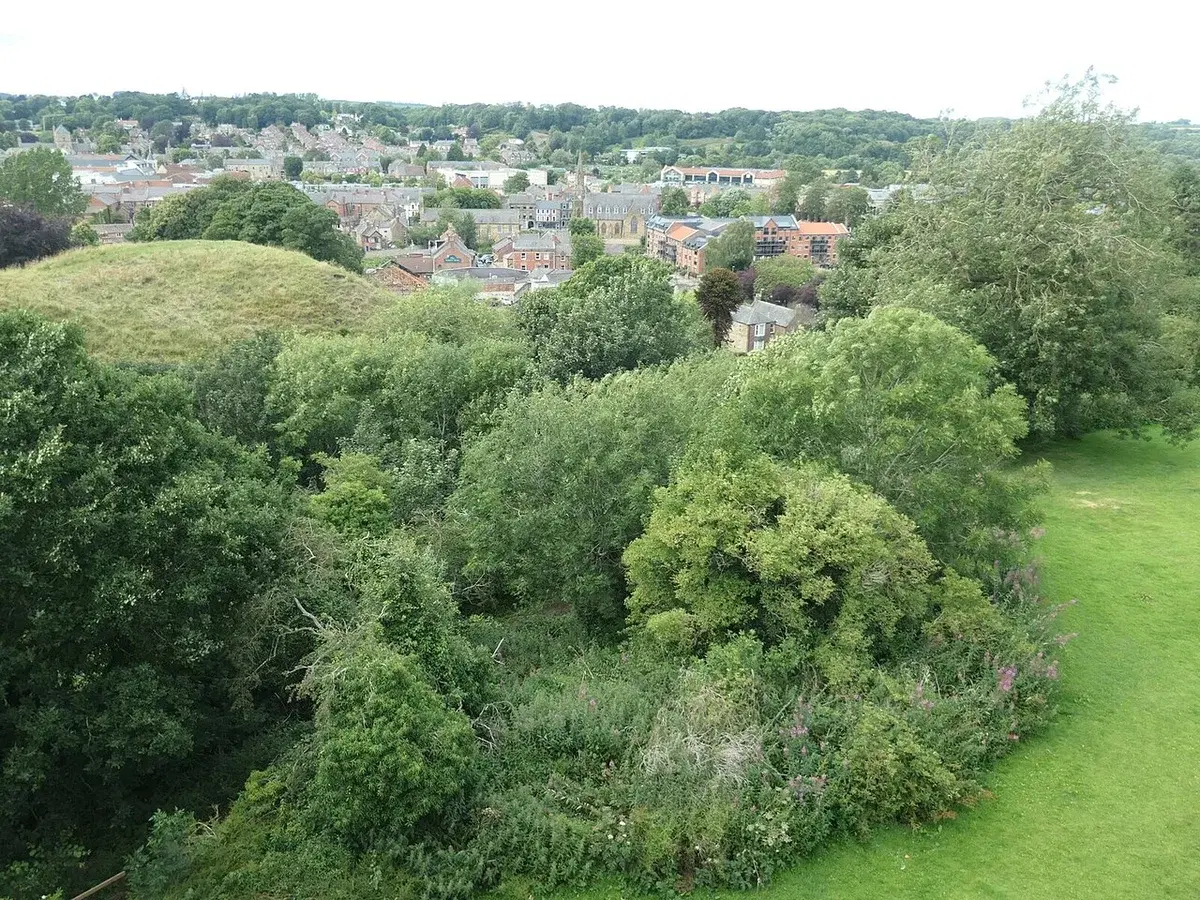
William de Merlay was granted the Barony of Morpeth after helping suppress a Northumbrian rebellion. He built the first motte-and-bailey castle on Ha' Hill, establishing Morpeth as a seat of Norman power in Northumberland. The name Morpeth is thought to derive from the Old English for 'murder path'.
Read the full story →Newminster Abbey Founded
Ranulf de Merlay and his wife Juliana founded Newminster Abbey as a daughter house of Fountains Abbey, making it one of the first Cistercian monasteries in northern England. At its peak, the abbey controlled vast tracts of land across Northumberland before its dissolution in 1537.
Read the full story →Market Charter
King John granted a market charter to Roger de Merlay, establishing Morpeth as a market town — a status it has held for over 800 years. The Wednesday market on Morpeth's Bridge Street and the monthly farmers' market continue the tradition today.
The Castle Gatehouse
William Lord Greystoke — the Good Baron — built the imposing three-storey gatehouse that remains Morpeth Castle's principal surviving structure. The first floor likely served as a courtroom. The gatehouse is Grade I listed and has been restored by the Landmark Trust as holiday accommodation.
Read the full story →The Clock Tower
Morpeth's iconic Clock Tower was built on Oldgate using recycled medieval stone, most likely from the dissolved Newminster Abbey. In 1706 a peal of six bells was installed — originally intended for Berwick-upon-Tweed but redirected to Morpeth by the local MP. The curfew bell still rings at 8pm every evening.
Read the full story →The Great Fire
An accidental fire destroyed much of Morpeth's medieval timber-framed town centre. The rebuilding that followed replaced the old half-timbered buildings with the handsome Georgian brick facades that define Bridge Street and Newgate Street today — giving Morpeth its distinctive 18th-century appearance.
Read the full story →Vanbrugh's Town Hall
Sir John Vanbrugh — architect of Blenheim Palace and Castle Howard — designed Morpeth's Town Hall on the Market Place. This modest yet unmistakable Baroque building is one of the town's most remarkable structures, though its famous authorship is surprisingly little known.
Read the full story →Emily Wilding Davison
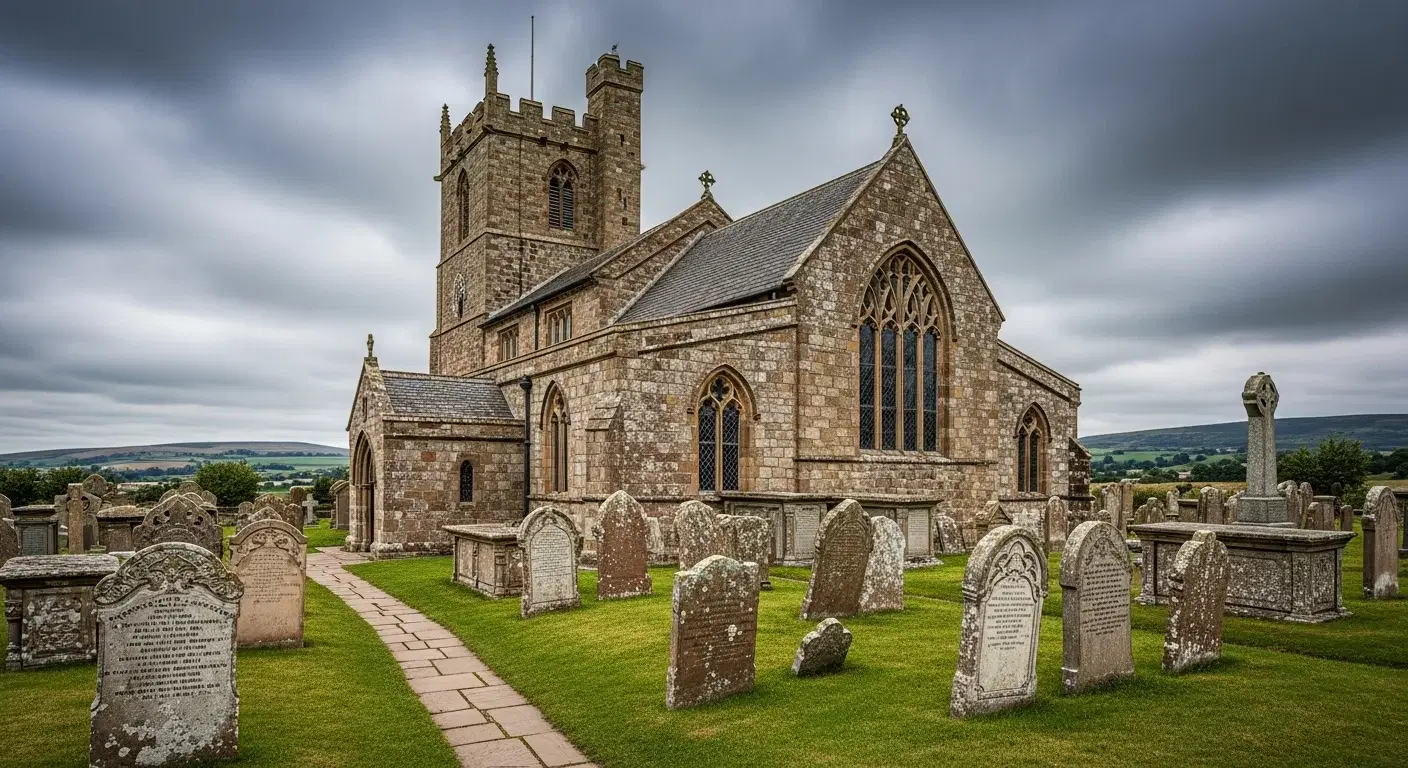
Suffragette Emily Wilding Davison died after stepping in front of the King's horse at the Epsom Derby. She was buried at St Mary the Virgin in Morpeth, where her grave — inscribed 'Deeds Not Words' — remains a place of pilgrimage. Her connection to Morpeth ensures the town's place in the story of women's suffrage.
Read the full story →The Great Flood
On 6 September 2008, the River Wansbeck reached record levels after 48 hours of sustained rainfall, flooding over 1,000 properties and forcing the evacuation of more than 400 residents. The flood was the worst in living memory and led to significant investment in flood defences to protect the town centre.
Thriving Market Town
With a population of around 15,000, Morpeth is the county town of Northumberland and one of the most desirable places to live in the North East. Its independent shops, award-winning park, historic architecture, thriving farmers' market, and strong sense of community make it a town that honours its past while looking firmly to the future.
Heritage Articles
In-depth stories about the people, buildings, and events that shaped Morpeth.
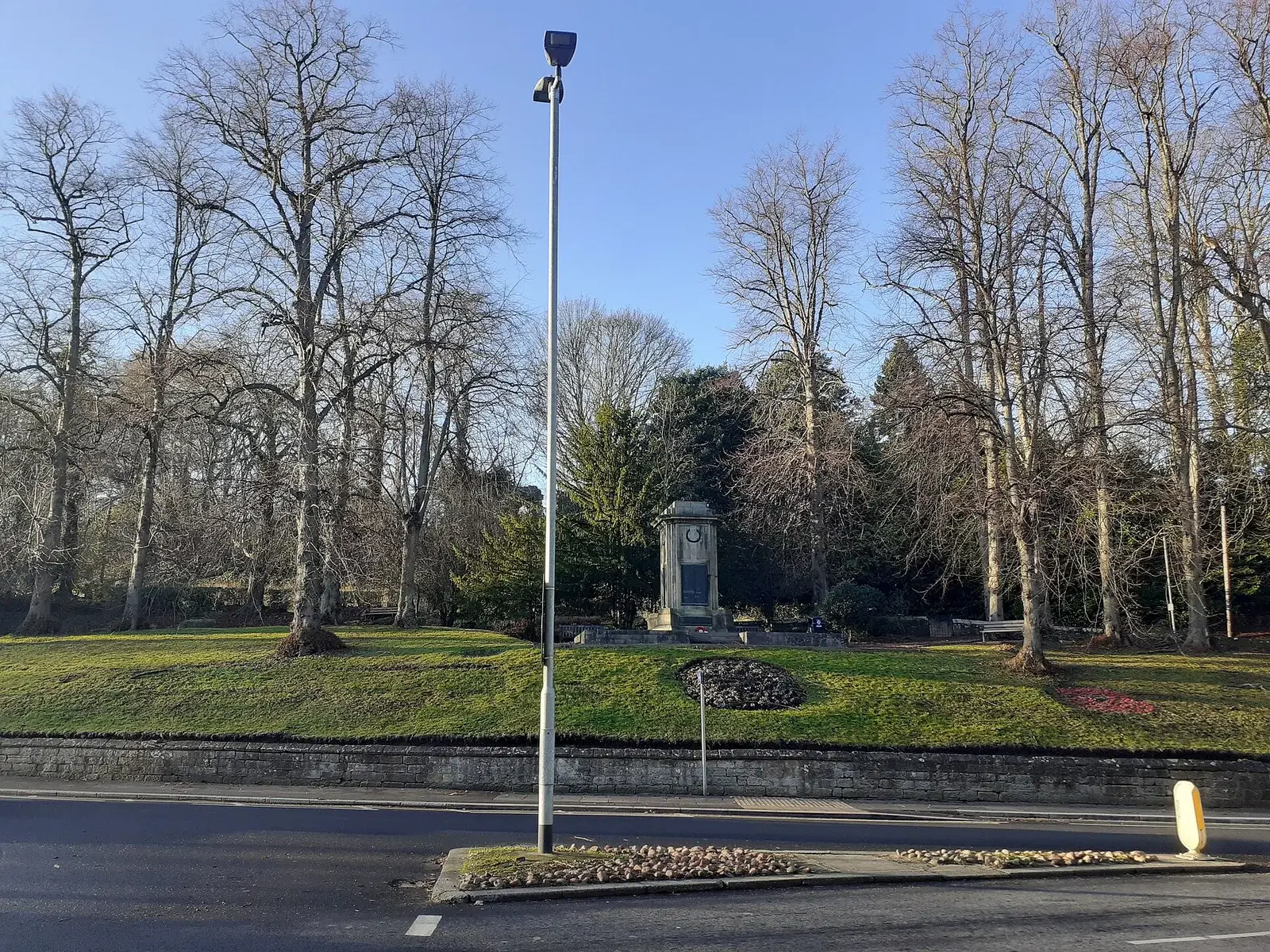
Morpeth in World War Two
How the Northumberland market town lived through the Second World War, from the air gunners trained at RAF Morpeth to the Polish airmen who settled here and lie in St Mary's churchyard.
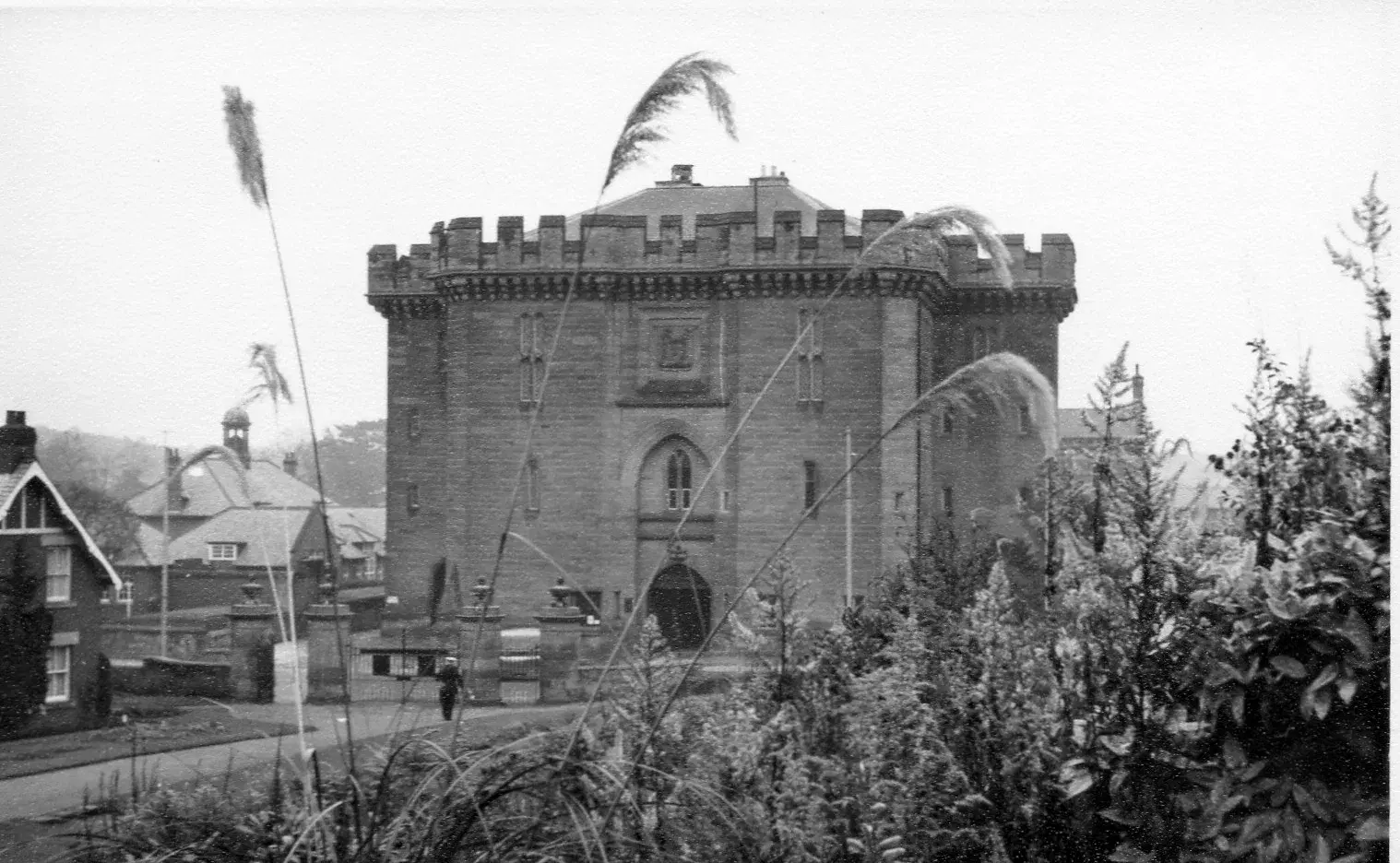
The Lost Buildings of Morpeth
From the medieval bridge that once carried the road north to a vanished cinema, a demolished Victorian villa and a Gothic gaol turned into flats, here are the Morpeth landmarks that time and the demolition men changed forever.
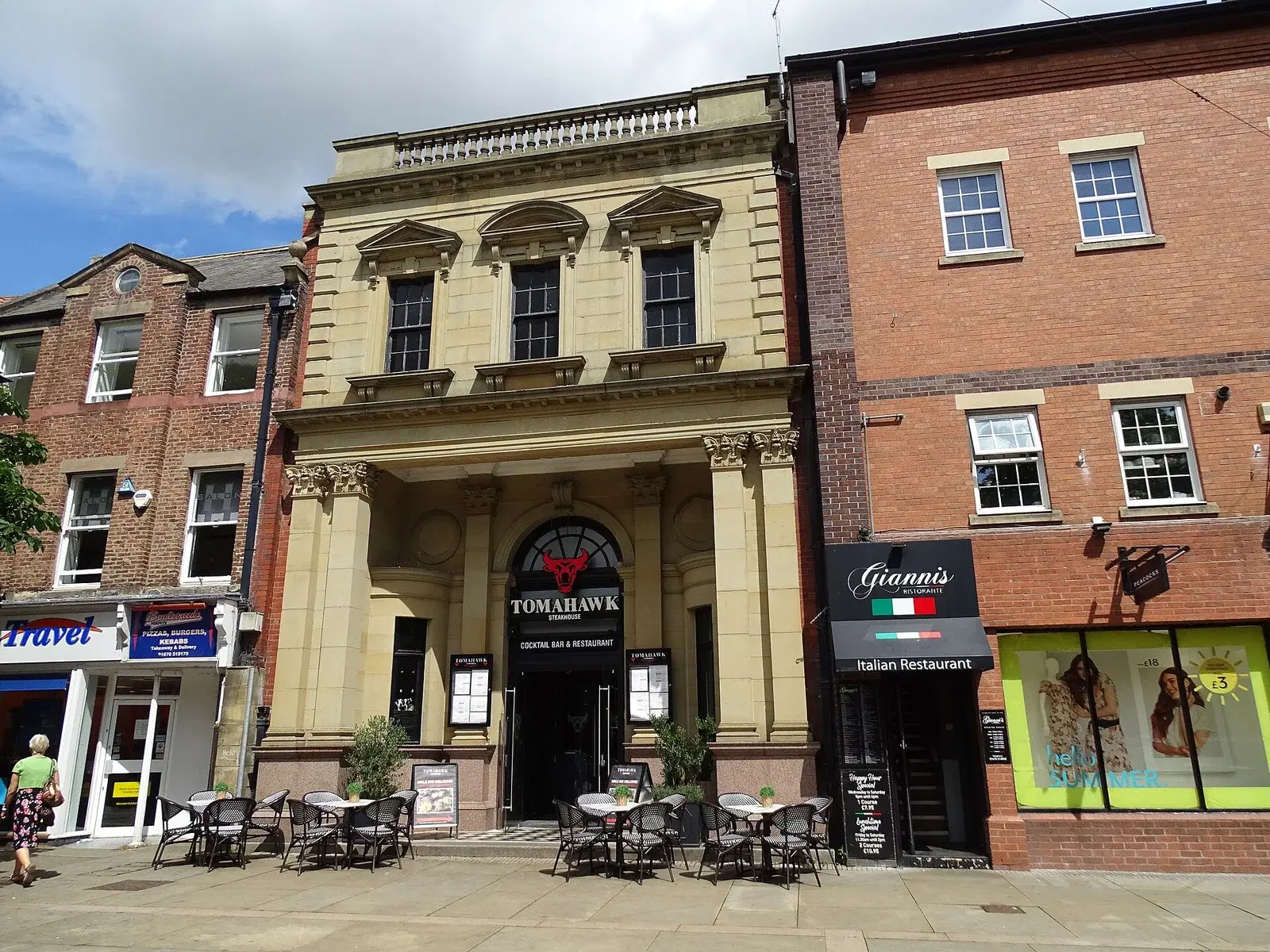
The History of Morpeth's Shopping Streets
How Bridge Street, Newgate Street, Oldgate and the Market Place grew from a medieval market town into the shopping quarter Morpeth knows today, still gathered around the Clock Tower.
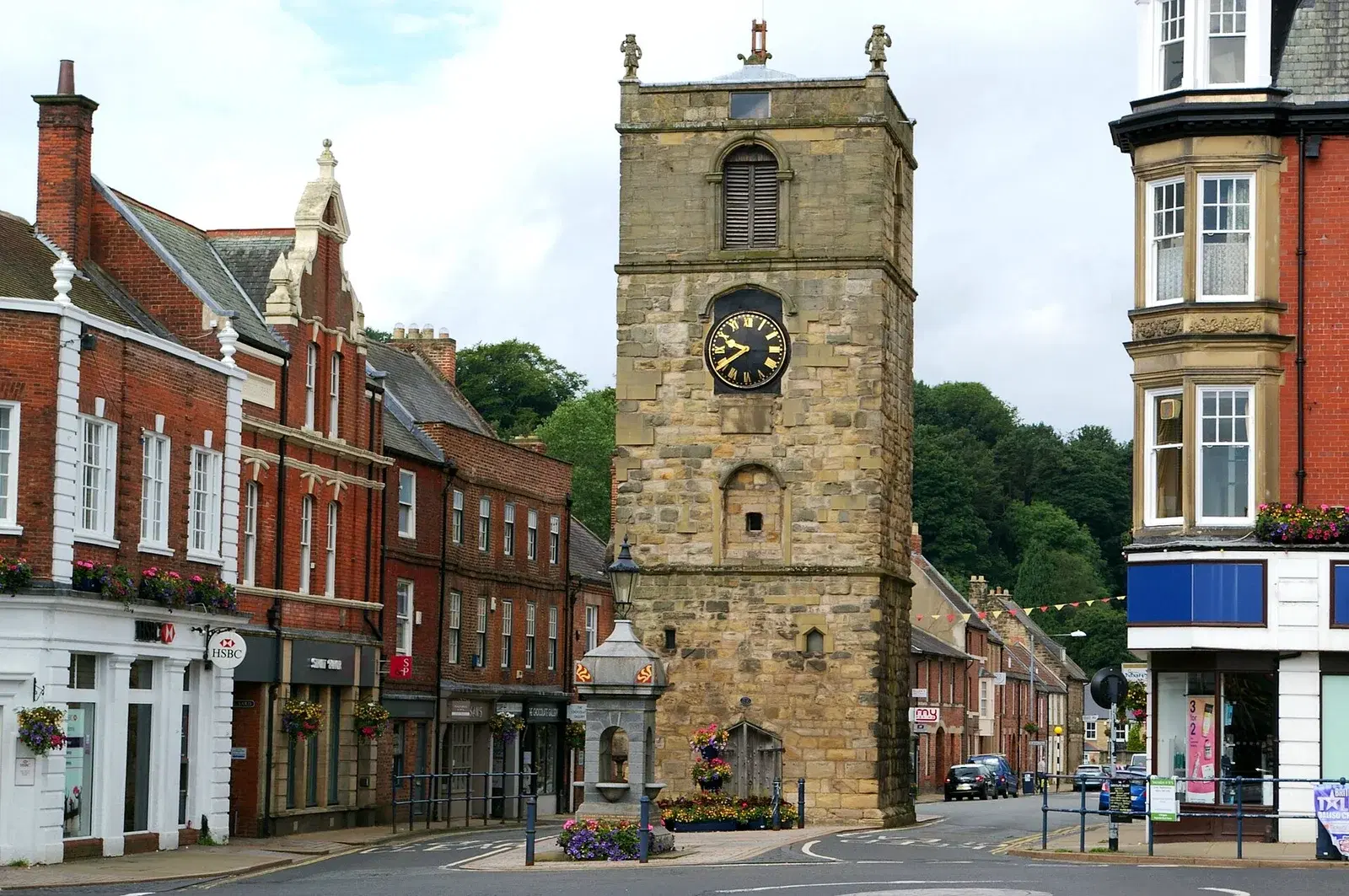
Interesting Facts About Morpeth
From a name that means murder path to a suffragette's grave, a bagpipe museum in a medieval chapel and a curfew bell that still rings at eight, here are the stories that make Morpeth so distinctive.
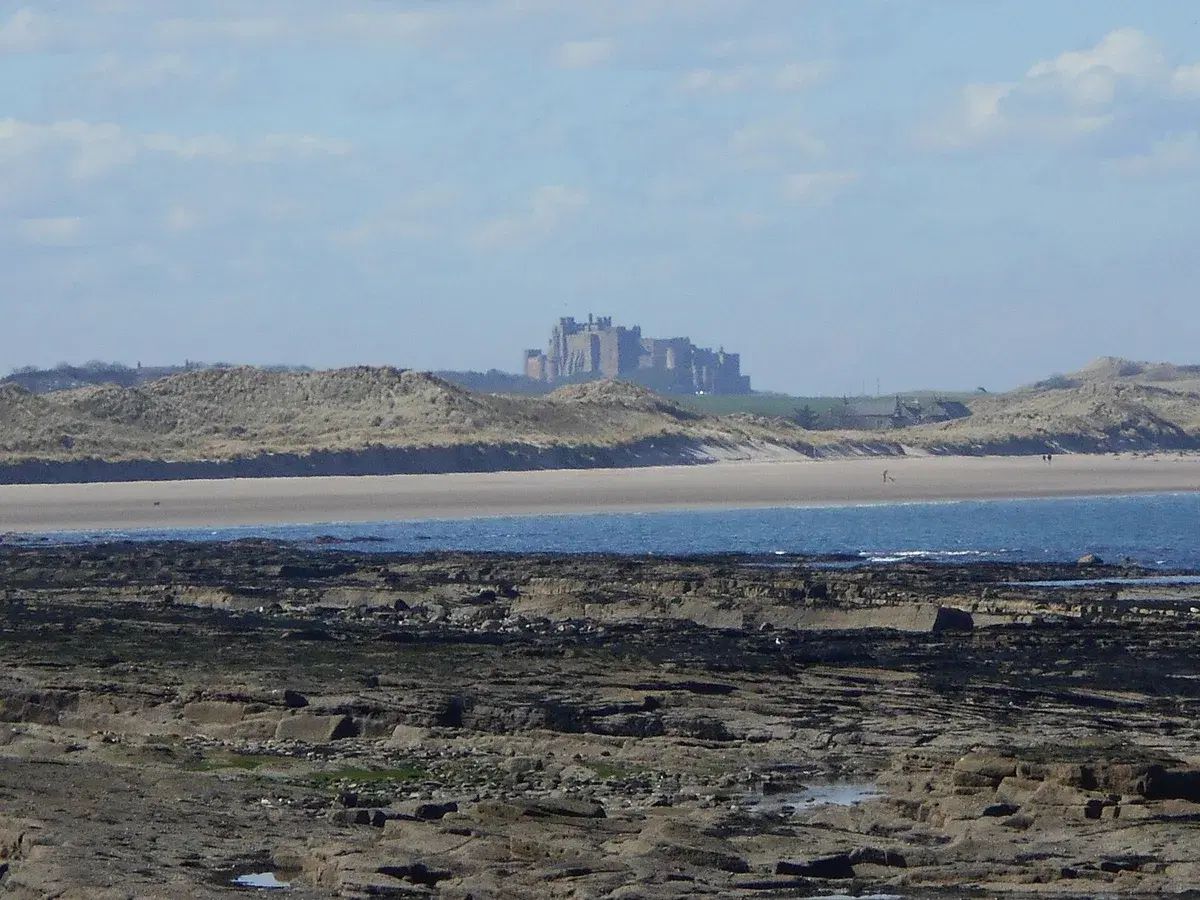
Morpeth on Screen: Northumberland's Film and TV Country
Morpeth is the gateway to Northumberland's film country, within easy reach of Bamburgh, Alnwick, Lindisfarne and the National Trust estates that have doubled for Hogwarts, Asgard and beyond.
Historic Trades and Crafts of Morpeth
Tanners, weavers, cordwainers, fullers, and blacksmiths -- the seven medieval trade companies that governed Morpeth and the industries that sustained the market town for centuries.
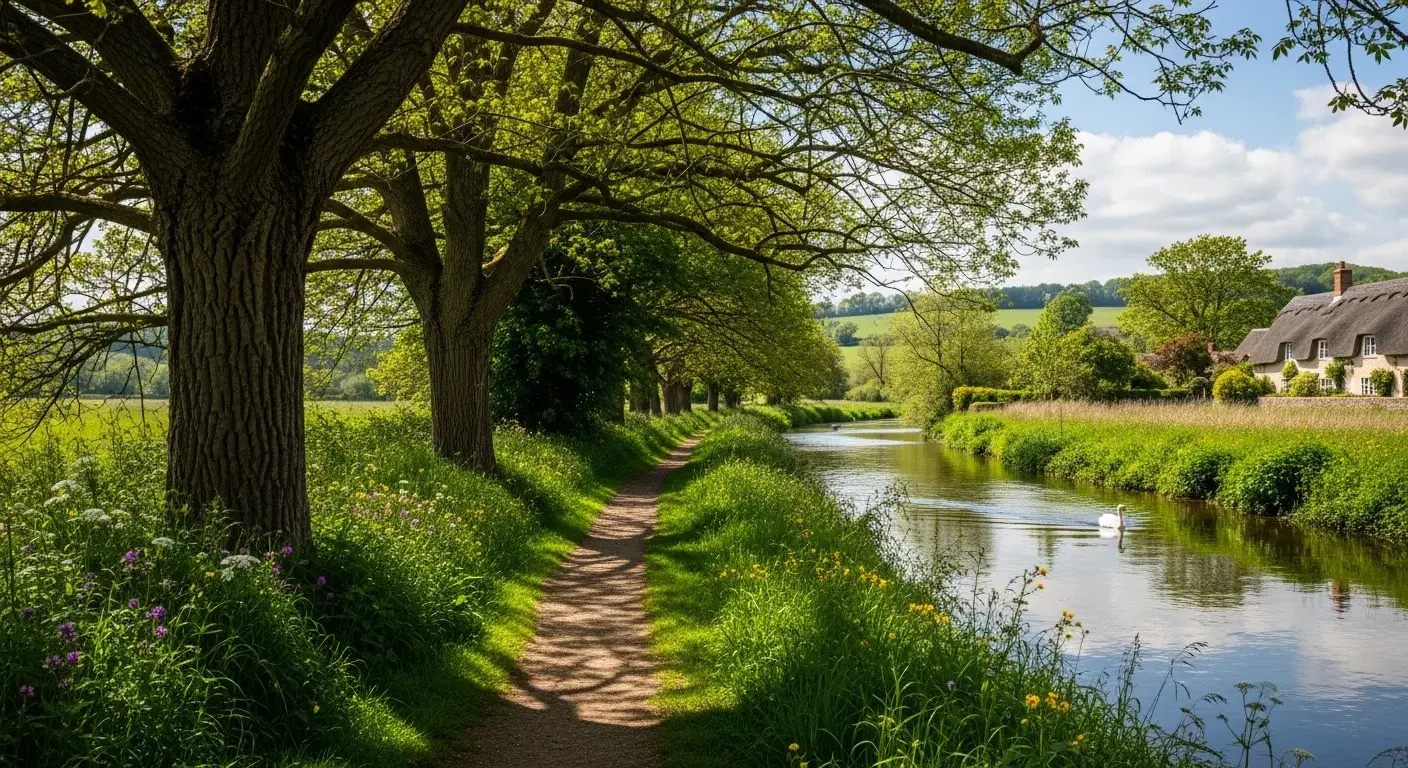
Heritage Walking Trail: A Self-Guided Walk Through Morpeth
A 2.5-mile self-guided walking trail through Morpeth's most important heritage sites, from the Norman castle ruins and medieval Chantry to the Clock Tower, Vanbrugh's Town Hall, and Telford Bridge.
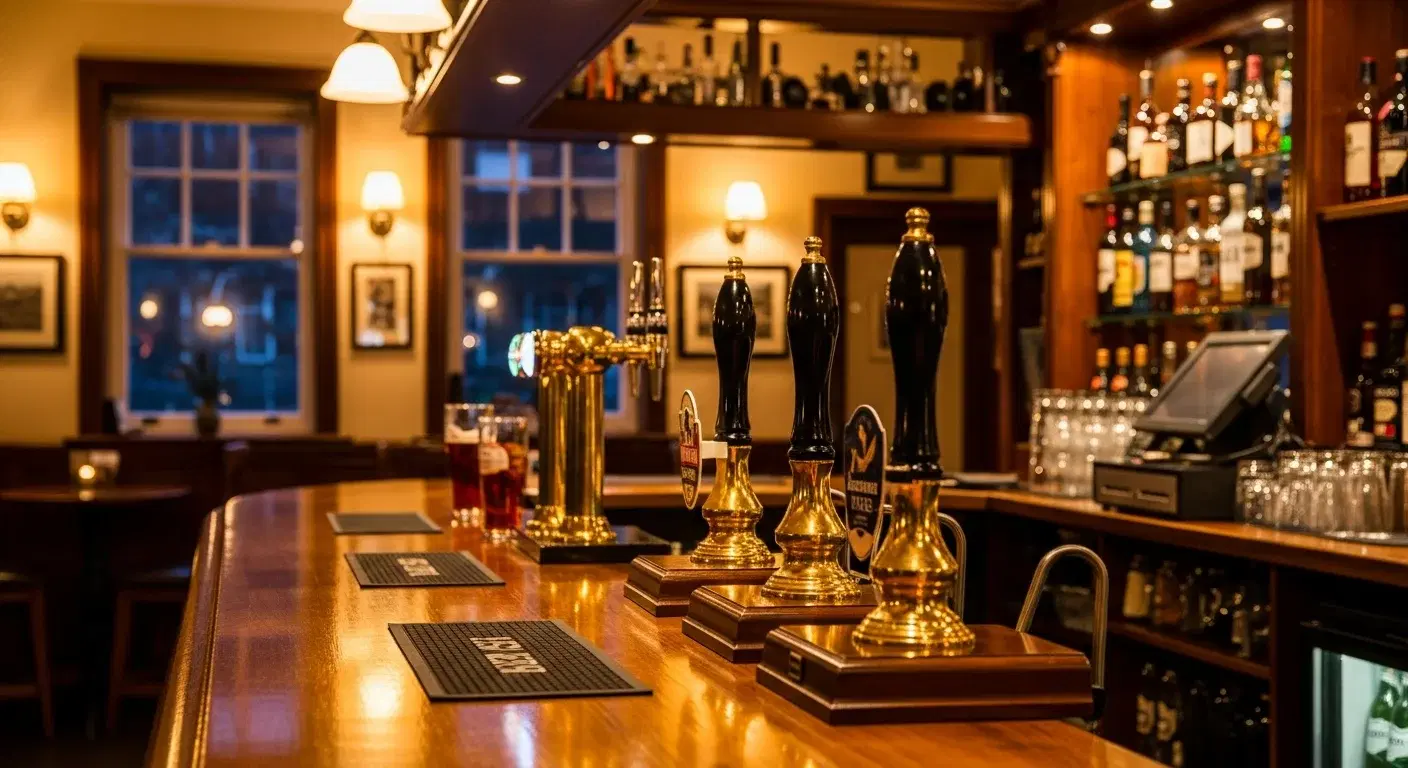
The Oldest Pubs in Morpeth
From a Tudor coaching inn dating to 1656 to a riverside local that has served the town since the 1730s, these are the oldest pubs still open in Morpeth.
Famous People from Morpeth
From a suffragette who gave her life for the vote to the father of English botany, a Trafalgar hero, and the first man to translate the Bible into Chinese, here are the famous people from Morpeth.
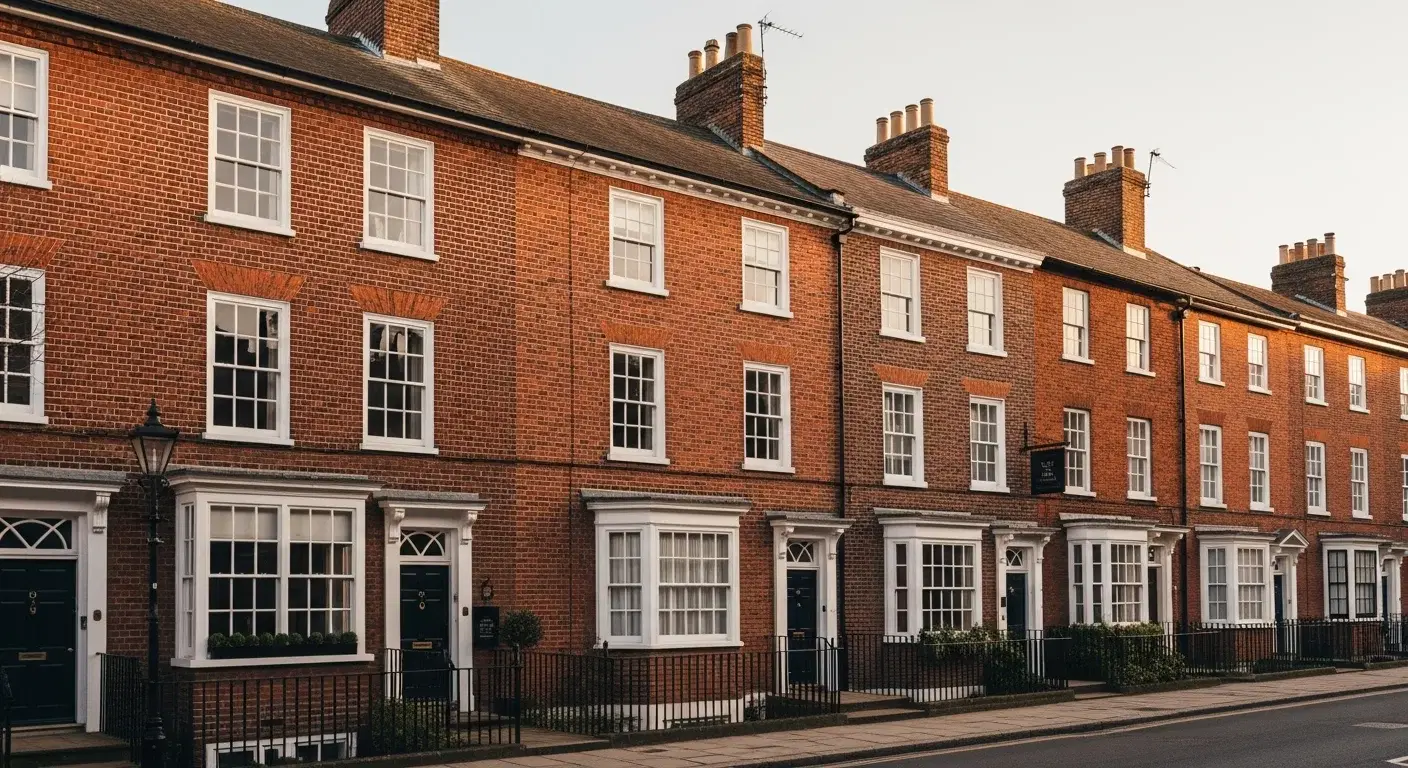
The Great Fire of Morpeth, 1689
In 1689 an accidental fire destroyed much of Morpeth, wiping out the medieval town centre. The rebuilding that followed gave the town its distinctive Georgian brick streetscape.
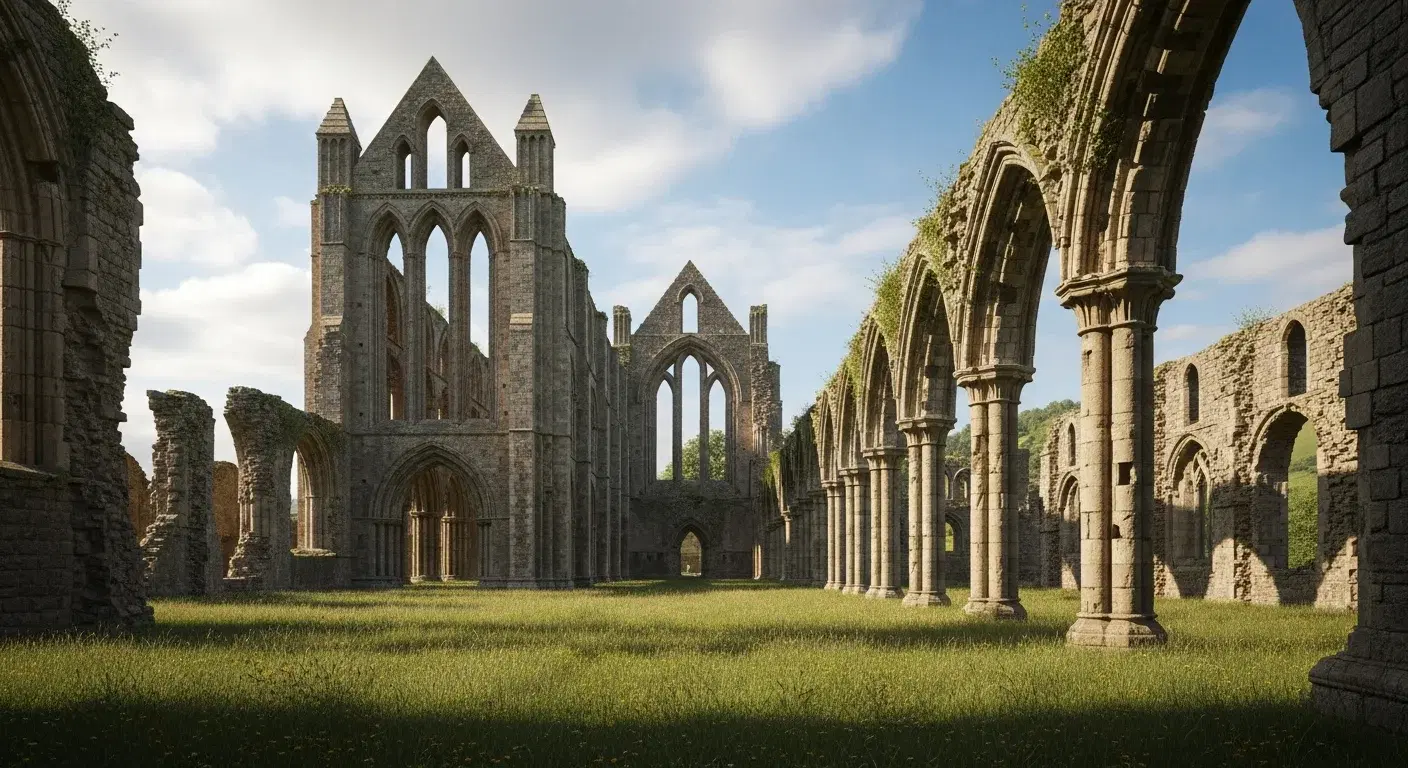
Newminster Abbey: Northumberland's Forgotten Cistercian Ruin
Founded in 1137 by the lord of Morpeth, Newminster Abbey became one of the great Cistercian houses of northern England before its dissolution in 1537. Today its ruins sit hidden and almost forgotten.
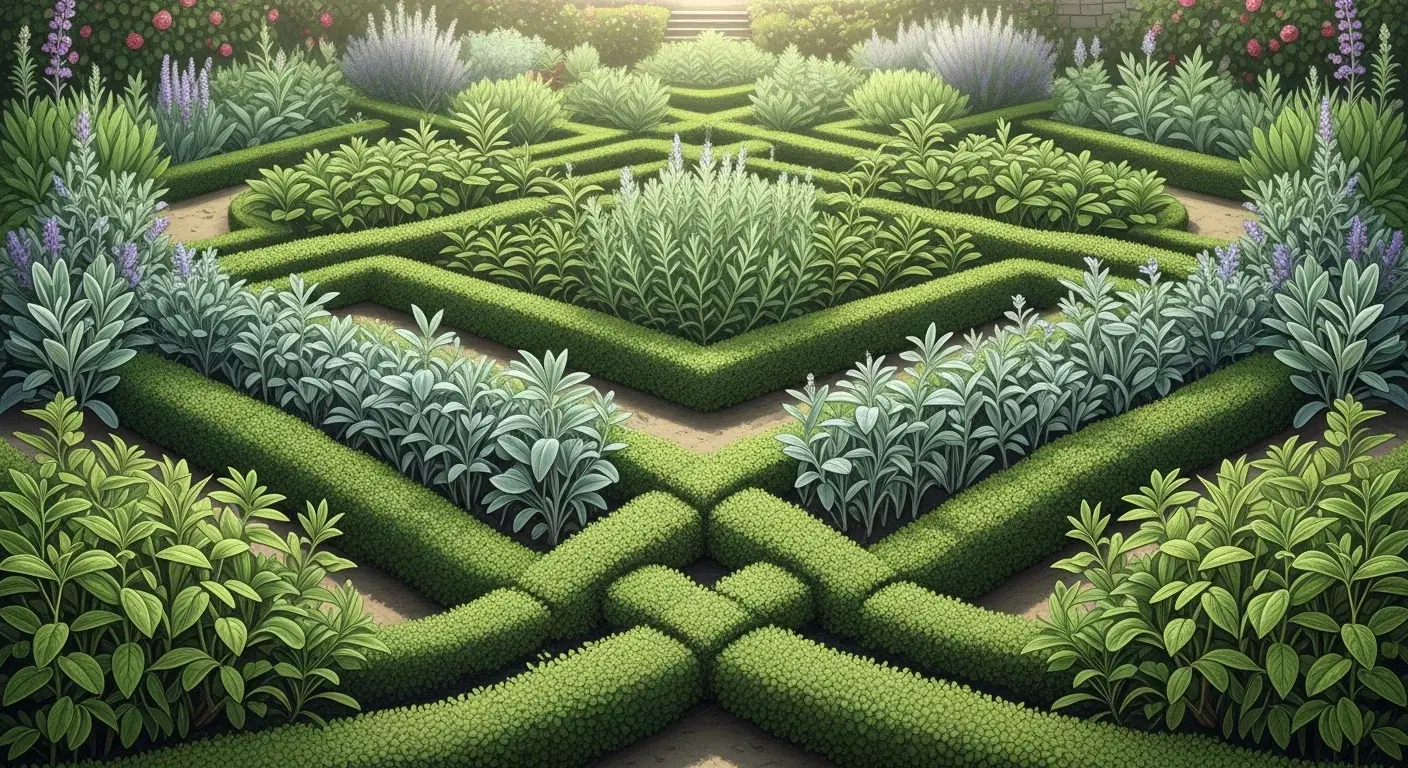
William Turner: The Father of English Botany Was Born in Morpeth
William Turner, the man who wrote the first proper English-language herbal and democratised botanical knowledge, was born in Morpeth around 1508. His legacy lives on in Carlisle Park.
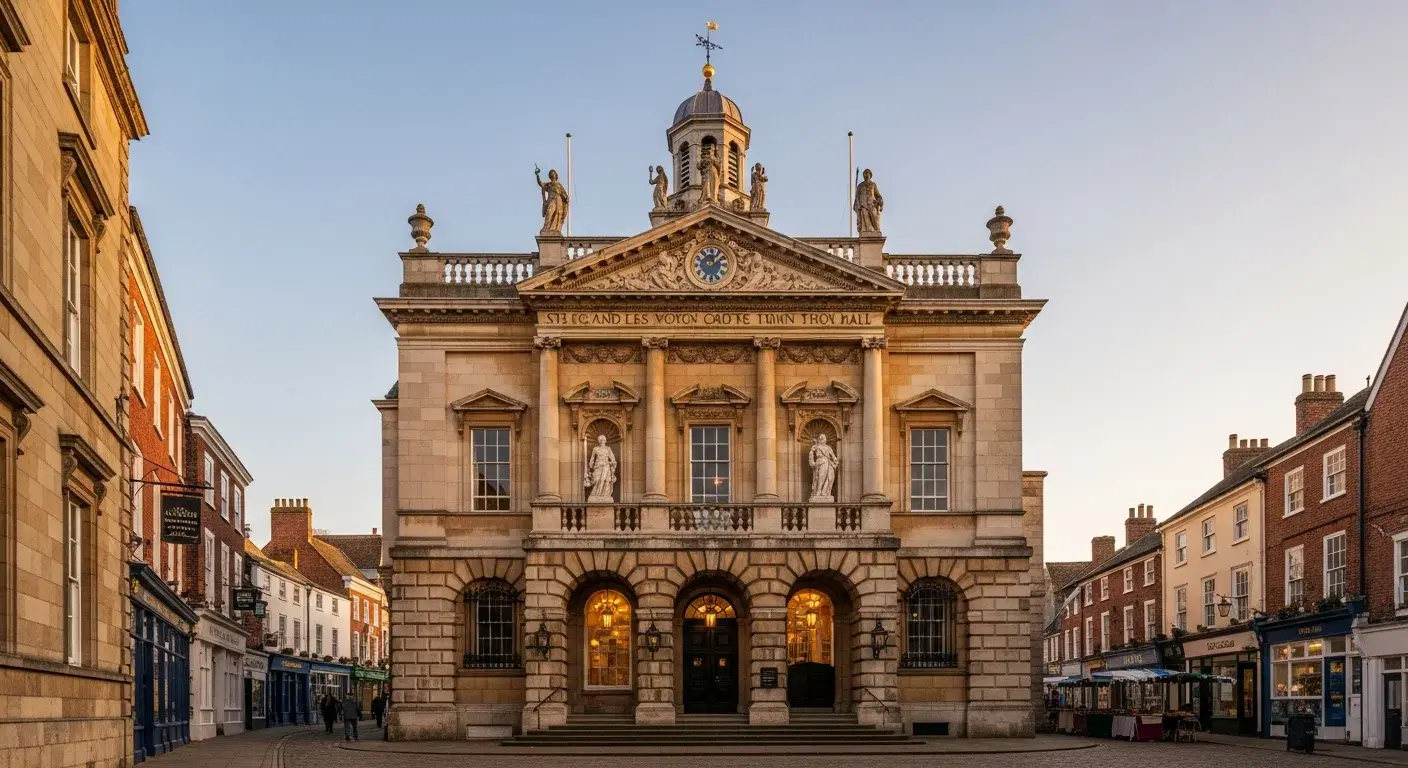
John Vanbrugh's Hidden Masterpiece: Morpeth Town Hall
Few people know that Morpeth's Town Hall was designed by Sir John Vanbrugh, the architect of Blenheim Palace and Castle Howard. Here is the story of this overlooked Baroque gem.
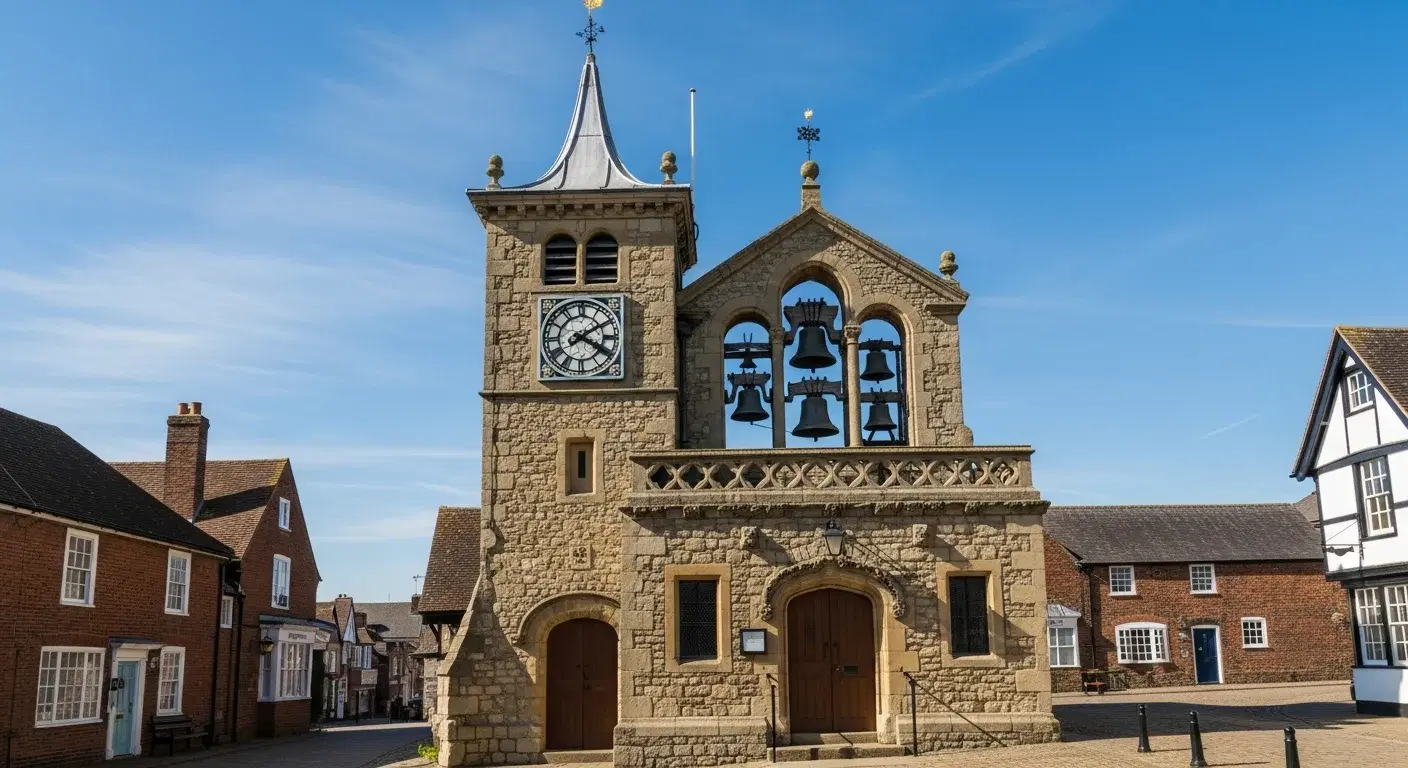
Morpeth Clock Tower: The Story Behind the Bells
The story of Morpeth's Clock Tower, built from recycled medieval stone, home to the oldest original peal of civic bells in the UK, and the curious legend of the Berwick Bells.
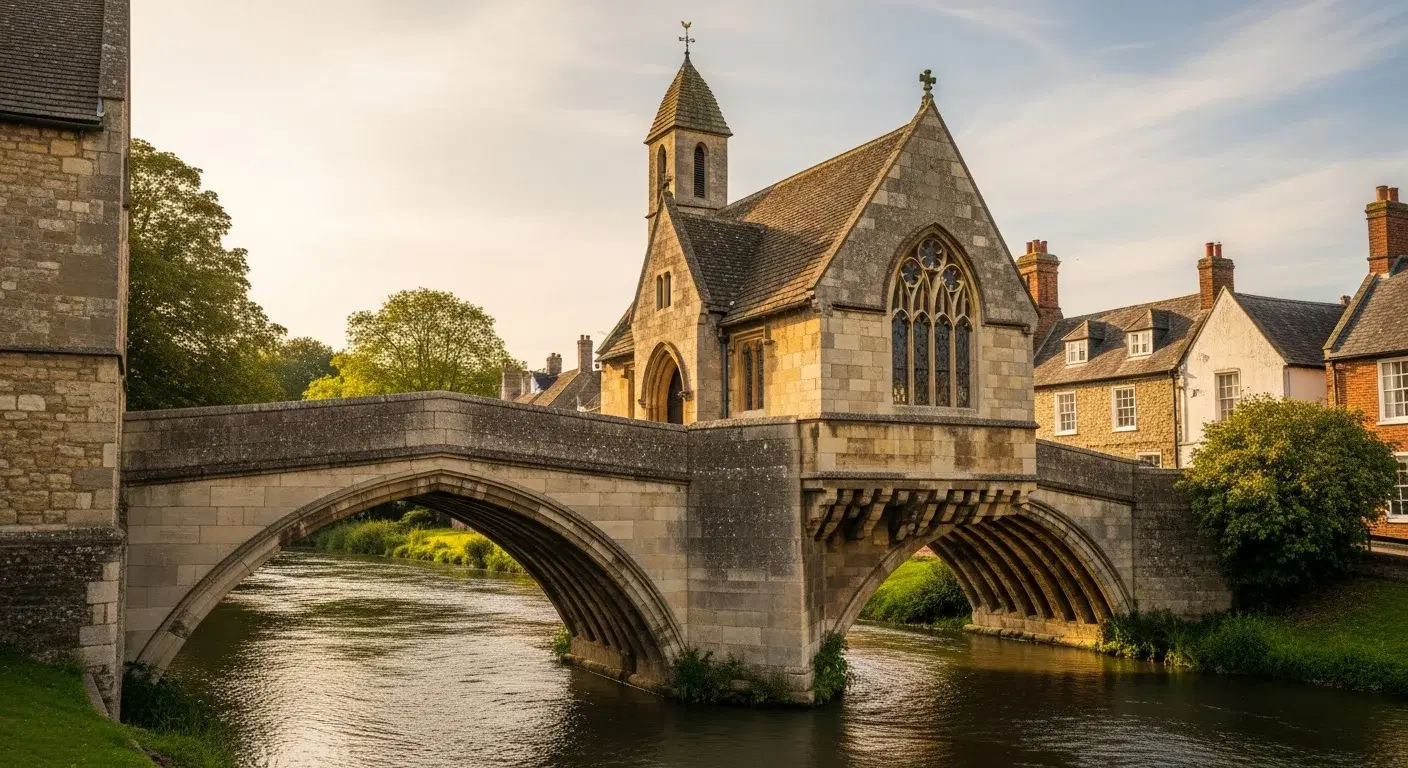
The Chantry: Morpeth's Medieval Gem
The story of Morpeth Chantry, a 13th-century bridge chapel that now houses the Northumbrian Bagpipe Museum, Tourist Information Centre, and Northumbria Craft Centre.
Morpeth Castle: History of the Ruins
The story of Morpeth Castle, from its Norman motte built by William de Merlay to the 14th-century gatehouse, Civil War siege, and restoration by the Landmark Trust.
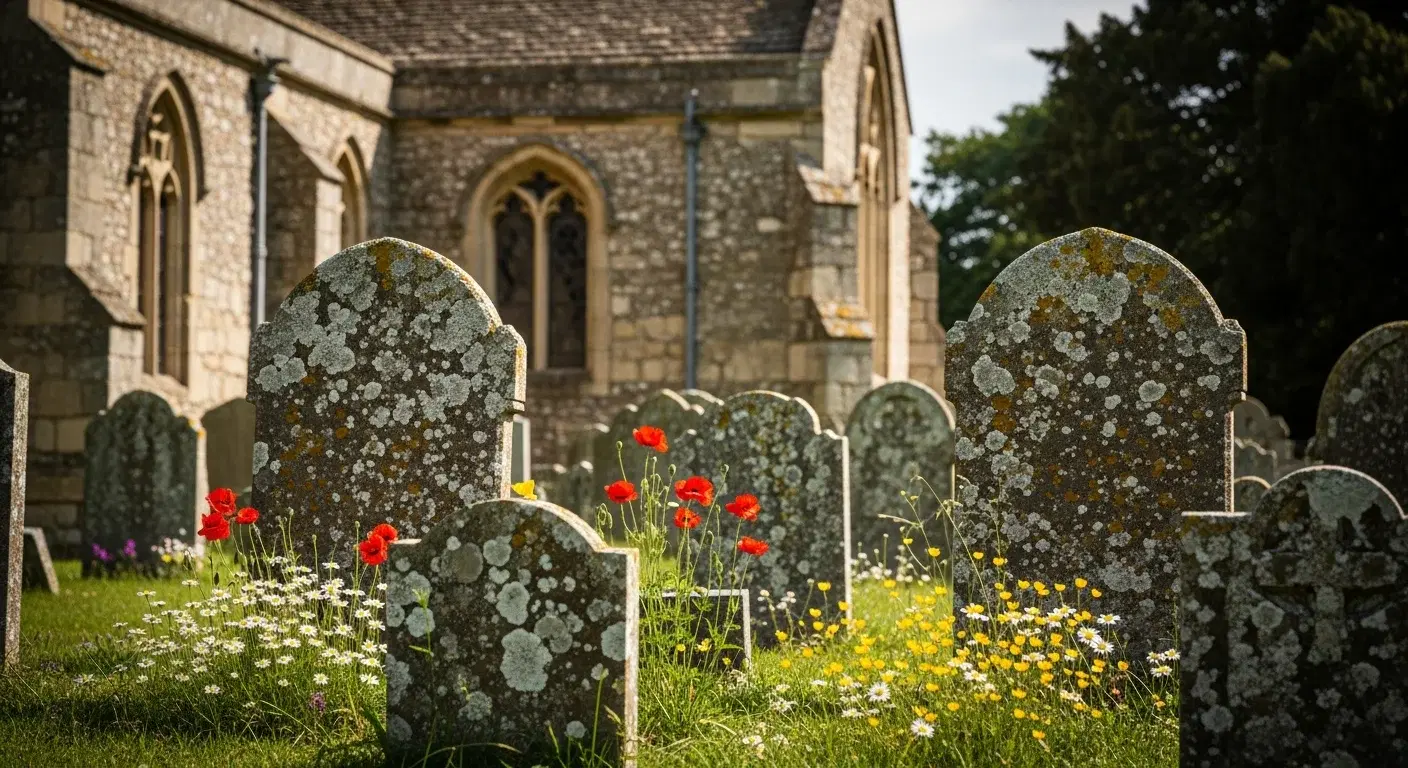
Emily Wilding Davison: Morpeth's Suffragette
The story of Emily Wilding Davison, the suffragette who gave her life for votes for women and whose grave at St Mary the Virgin in Morpeth remains a place of pilgrimage.